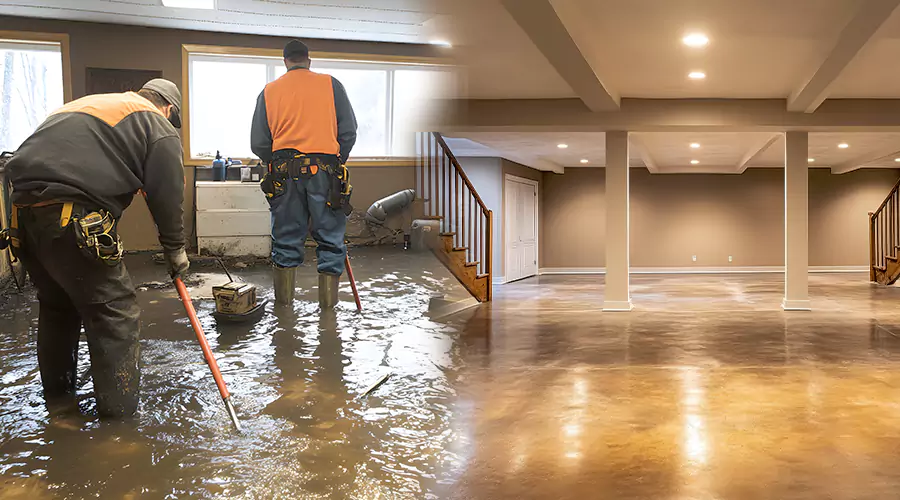




Basement water damage is one of the most common and costly problems homeowners face. Because basements sit below ground level, they’re especially vulnerable to water intrusion from a variety of sources — from heavy rain and poor drainage to foundation cracks and plumbing mishaps. Understanding why water gets in and how to prevent it can save you thousands in repairs and protect your home’s structural integrity.
Basements naturally resist water due to soil, hydrostatic pressure, and drainage challenges. When these systems fail or are compromised, water can seep through walls and floors, resulting in dampness, mold growth, and major restoration issues.
When the ground around your home slopes toward the foundation instead of away, rainwater and runoff collect near your basement walls. Over time, this can push water through even tiny cracks.
Signs to watch for:
Prevention Tips:
Rainwater should flow away from your home, but clogged gutters can overflow and keep water near the foundation. Left unchecked, this water finds the path of least resistance — often into your basement.
How to prevent this:
Even hairline cracks in concrete provide an entry point for water, especially during heavy rain or snowmelt. Hydrostatic pressure — the force of water in the soil pushing inward — can drive moisture through these weak spots.
How to seal and protect:
In areas with a high water table, groundwater can push up through basement floors and walls even without rain. This is especially common after heavy storms or in spring when the soil is saturated.
Solutions include:
A sump pump is a frontline defense against basement water, especially in rainy or flood-prone areas. But if it’s not working or lacks a battery backup, water can still accumulate, quickly, creating serious risks for your home. In such cases, prompt Basement Flood Clean Up is essential to remove standing water, prevent mold growth, and minimize structural damage.
Common sump pump issues:
Prevention Tips:
Leaks from water supply lines, water heaters, washing machines, or other basement appliances can cause significant water accumulation if unnoticed over time.
Preventive actions:
Heavy storms, aging sewer lines, or blockages can cause sewer water to back up into basement drains. Not only can this lead to flooding, but it also introduces contamination and health hazards.
Tips to prevent backups:
Even without flooding, high humidity and moisture in the air can lead to condensation on cold basement walls or pipes. This can cause dampness and mold growth when left unchecked.
How to control indoor moisture:
Here’s a quick checklist homeowners can follow to reduce basement water risks:
While many preventative steps are DIY-friendly, some situations require expert help:
Basement water damage isn’t just an inconvenience — it can weaken your home’s structure, promote mold, and damage belongings if ignored. Fortunately, many causes are preventable with proper maintenance, drainage management, and timely repairs. Regular inspections, smart grading, reliable sump systems, and moisture control all work together to keep your basement dry and your home protected.
Our certified experts are ready 24/7 to assist you with emergency restoration services.
GET A QUOTE